Tree surgery in Queens Park: safe, reliable care for homes, gardens, and commercial sites
If you are looking for tree surgery in Queens Park, you probably want more than a quick cut-and-clear visit. You want a local team that understands how to work safely around homes, gardens, driveways, communal spaces, and business premises, while keeping trees healthy and your property tidy. Whether you need a single limb removed, a full crown reduction, stump work, or regular tree maintenance, the right approach can make a big difference to safety, appearance, and long-term tree health.
Queens Park properties often come with a mix of mature gardens, boundary trees, shared access points, and awkward spaces where careful planning really matters. Trees can add shade, privacy, and value, but they can also become overgrown, storm-damaged, diseased, or too close to buildings and utilities. A local tree surgery service helps you deal with those issues in a practical way, with work planned around access, neighbours, and the needs of the tree itself.
On this page, you will find a clear overview of the services available, what is included, how the work usually happens, what affects pricing, and how to prepare for a visit. If you are comparing options for a domestic garden, rental property, school, shopfront, or commercial site, this page is designed to help you choose with confidence and request a free quote when you are ready.
Why local tree surgery matters in Queens Park
Choosing a local team for tree surgery in Queens Park is about more than convenience. It means working with people who understand the type of properties in the area, the common access constraints, and the way local gardens and street layouts can affect tree work. In residential streets, space may be tight for equipment, branches may need to be lowered carefully, and parking may need to be planned to avoid disruption. A local crew can usually assess these factors quickly and recommend a practical method that suits the site.
Queens Park has a varied mix of property styles, from family homes with mature back gardens to shared residential spaces, corner plots, and small commercial premises. That variety means no two jobs are exactly alike. A good tree surgeon will not approach every tree the same way. Instead, they will consider the tree species, its condition, its location, any signs of decay or weakness, and the kind of result you want. That tailored approach is especially important when trees are close to buildings, fences, conservatories, sheds, or overhead lines.
Using a nearby specialist also supports faster site visits, easier follow-up work, and more responsive service when urgent issues arise after strong winds or heavy rain. If a branch has cracked, a tree is leaning, or limbs are brushing against roofs and gutters, speed matters. A local provider is often better placed to arrange a prompt inspection and recommend the safest next step.
Tree surgery services available in Queens Park
Professional tree surgery covers a broad range of work, from light maintenance to more involved structural reductions. The aim is always to balance safety, tree health, and the needs of the property. Below are the most common services requested by homeowners and businesses in Queens Park.
Tree pruning and shaping
Pruning is one of the most requested services because it helps manage size, improve appearance, and remove dead, damaged, or crossing branches. It can also reduce the weight on certain limbs and improve airflow through the canopy. For ornamental trees, fruit trees, and established garden trees, proper pruning can support healthy growth while keeping the tree in proportion with the space.
Crown reduction
Crown reduction is a careful way of reducing a tree’s overall spread or height while keeping its natural form as far as possible. This is useful when a tree has become too large for the garden, is shading too much of the property, or is encroaching on a boundary. A well-executed reduction should not simply hack the tree back; it should be planned to preserve health and stability.
Crown thinning
Crown thinning removes selected smaller branches to let more light and air through the canopy. This can help reduce wind resistance and improve the amount of daylight reaching lawns, patios, and planted areas. It is often chosen where a tree is healthy but dense, and the owner wants to keep the tree while making the garden more usable.
More services that help protect your property
Tree work is not always about large reductions or removals. Sometimes the best solution is a targeted intervention that addresses risk without removing a valuable tree. In Queens Park, where many customers want to keep mature trees but manage them sensibly, a range of smaller services can be just as important.
Deadwood removal
Deadwood removal involves taking away branches that are no longer alive and may fall unexpectedly. This is useful for safety, especially in areas used by children, visitors, customers, or staff. It can also improve the overall appearance of the tree and reduce the risk of debris dropping onto paths, parked vehicles, or garden furniture.
Tree removal
Sometimes removal is the safest or most practical choice. This may be due to severe decay, storm damage, root issues, excessive lean, or a tree that is no longer suitable for the location. Removal is usually considered when retention would create an unacceptable risk or when building works, access needs, or landscaping plans require it. A professional team will assess whether removal is truly necessary before recommending it.
Stump grinding and stump removal
Once a tree has been removed, the stump can remain as an obstacle and a potential trip hazard. Stump grinding reduces the stump below ground level so the area can be re-used more easily for turf, planting, paths, or other landscaping. It is a popular choice where customers want a cleaner finish and fewer regrowth issues.
Emergency tree work
After stormy weather, trees can split, shed large limbs, or become unstable. Emergency work focuses on making the site safe quickly, removing immediate hazards, and deciding whether further pruning, support, or full removal is needed. In busy residential streets or commercial premises, this can be especially important because safety and access both need to be restored without delay.
What is included in professional tree surgery?
People often ask what they should expect from a proper tree surgery visit. A reliable service should begin with a clear assessment and end with a tidy, safe site. While every job is different, most customers in Queens Park can expect a process that is organised, considerate, and focused on results.
Typical service steps
- Initial site assessment of the tree, the surrounding area, and access points
- Discussion of your concerns, priorities, and any visible issues
- Recommendation of the most suitable method of pruning, reduction, or removal
- Safe use of appropriate equipment and climbing or rigging techniques where needed
- Removal of cut branches and debris from the work area
- Optional stump grinding or follow-up care if requested
- Final check to confirm the site has been left in good order
Many customers want reassurance that the team will work carefully around nearby structures and planting. That is an important part of the job. A professional crew should plan cuts and lowering methods to avoid damage to fences, sheds, glass, paving, turf, flowerbeds, and neighbouring gardens. Respect for the site is just as important as technical skill.
If a tree has issues such as fungal growth, cracked unions, or uneven growth, the work may need to be adapted once the tree is inspected in person. This is one reason local tree surgery is often the best option: it allows for a practical response rather than a one-size-fits-all approach.
How tree surgery usually works from start to finish
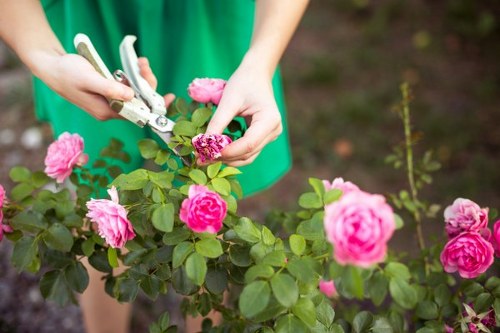
For many Queens Park customers, arranging tree work is straightforward once they know the process. A well-run job should feel clear from the first enquiry through to completion. If you are planning a project for your garden, business premises, or managed property, it helps to know how the work is likely to unfold.
1. Initial enquiry and discussion
Start by explaining the issue you are seeing. For example, a branch may be touching the roof, the tree may be blocking light, or roots may be affecting a path. The more context you give, the easier it is to recommend the right service. If you can mention the tree’s approximate size, location, and whether there is rear access, that is helpful too.
2. Site visit or assessment
For more involved work, an inspection is usually the best way to assess the tree properly. The tree surgeon can consider tree health, size, species, shape, and location, as well as the surrounding structures. In tighter Queens Park streets, access and parking can be just as important as the tree itself, so this stage helps avoid surprises on the day.
3. Recommended method
Once the tree has been assessed, the best method should be explained clearly. This may involve pruning, crown reduction, section dismantling, stump grinding, or a combination of work. A sensible recommendation should explain the benefits and any limitations, so you can decide whether to proceed with confidence.
4. Carrying out the work
On the day, the team should arrive prepared with the right tools and safety equipment. Depending on the job, branches may be lowered by hand, rigged down in sections, or processed on site. The work should be carried out with care, especially where there are neighbours nearby, parked vehicles, narrow side access, or landscaping to protect.
5. Clearance and tidy finish
After the cutting is complete, the branches and waste should be cleared away. Many customers particularly value a tidy finish because it means they can use the space again straight away. If stump grinding has been arranged, that part of the work will be completed and the area left ready for your next plans.
Queens Park property types and common tree problems
Queens Park customers often deal with similar tree issues, even though each property is different. Mature suburban gardens can produce large canopies that eventually outgrow the available space, while smaller plots can struggle with light loss or root spread. Commercial sites may need regular maintenance to keep entrances clear and safe for visitors.
Some of the most common reasons people book tree surgery in Queens Park include branches touching roofs or gutters, trees blocking windows and natural light, trees leaning toward a boundary, storm damage, and excessive leaf fall. Trees planted too close to sheds, garages, patios, or drives can also create long-term maintenance problems. In shared gardens or communal areas, regular trimming can help keep spaces safe and usable for everyone.
It is also common for customers to want to preserve a tree but make it more manageable. In those situations, pruning and reduction are often better than removal. A local specialist can help you think through the options and choose the least disruptive solution that still meets your goals.
Residential customers
Homeowners often need help with privacy screens, shading, overhanging branches, and garden clearance. Others may simply want their trees looking neat and healthy. Whether it is a single specimen tree or several mature trees, maintenance can improve the look and feel of the whole property.
Commercial customers
Shops, offices, schools, hospitality premises, and managed estates may need regular tree work to maintain safe access and present a professional appearance. For these sites, scheduling and minimal disruption matter. A local team can often plan work at quieter times and keep the site usable where possible.
Safety, tree health, and responsible work
Good tree surgery is not just about removing what looks untidy. It is about making decisions that are safe and sensible for the tree and for the people around it. A qualified and experienced crew will look for signs of weakness, decay, disease, poor previous cuts, and structural imbalance before starting work. That helps prevent avoidable damage and supports better outcomes.
Safety matters at every stage. Trees are unpredictable when they are damaged, tall, or under strain, so proper equipment and working methods are essential. In built-up areas of Queens Park, this is especially important because there may be fences, parked cars, pedestrians, pets, and neighbouring properties close by. Careful planning reduces risk and helps keep the job efficient.
It is also worth remembering that over-pruning can be harmful. Cutting too much at once can stress the tree, encourage weak regrowth, or leave wounds that do not recover well. Responsible tree surgery aims to remove only what is needed and to leave the tree as stable and healthy as possible.
Signs your tree may need attention
- Large dead branches hanging in the canopy
- Cracks, splits, or signs of movement at the trunk or major unions
- Branches rubbing against roofs, windows, or walls
- Reduced leaf coverage or visible dieback
- Fungal growth around the base or on the trunk
- Recent storm damage or sudden leaning
- Blocked light or overhanging growth affecting neighbours
What affects the cost of tree surgery in Queens Park?
Customers often want to know what influences pricing before booking a site visit. While exact costs depend on the job, several factors usually play a role. Understanding them can help you compare quotes more confidently and see why two jobs that look similar at first may be priced differently.
Main pricing factors
- Tree size and height: taller or wider trees generally require more time, labour, and equipment.
- Condition of the tree: dead, damaged, or unstable trees can be more complex to handle safely.
- Access to the site: narrow side access, limited parking, or restricted rear access can affect the method and time required.
- Location of the tree: trees close to buildings, greenhouses, fences, or power lines need extra care.
- Type of work required: pruning, reduction, removal, and stump grinding each involve different levels of work.
- Waste removal: branch disposal and site clearance can influence the overall quotation.
- Urgency: emergency callouts or storm response work may involve different arrangements than planned maintenance.
For a fair comparison, it is often best to provide a few photos and a short description of the issue. That helps the tree surgeon understand the site before visiting, especially in parts of Queens Park where access may be limited. A clear quote should explain what is included, so you know whether waste removal, stump treatment, or follow-up work is part of the job.
How to prepare for a tree surgery visit
A little preparation can help the job run smoothly and safely. If you are booking tree surgery in Queens Park, the following checklist is a useful place to start.
Preparation checklist
- Remove vehicles from the access area if possible
- Move garden furniture, plant pots, and ornaments away from the work zone
- Keep children and pets indoors or away from the immediate area during the work
- Make sure gates, side passages, or rear access points can be opened
- Tell the team about any fragile surfaces, hidden obstacles, or shared boundaries
- Let neighbours know if branches may need to pass over their boundary
- Share any concerns about sheds, cables, greenhouses, or other features nearby
If the tree is in a hard-to-reach location, it helps to mention this early. Queens Park homes can have limited access through side passages or rear gardens, so knowing whether equipment can be brought in safely matters. A short conversation before the visit can prevent delays and protect your property.
For commercial premises, preparation may also involve arranging temporary access changes, moving signage or stock, and informing staff. The exact needs depend on the site, but the aim is always to keep disruption low and safety high.
Why choose a local company for tree surgery?
There are practical reasons why customers in Queens Park often prefer a local tree surgery company. A nearby team understands the area, can usually visit more easily, and is better placed to respond to changing circumstances. Local knowledge matters when tree work needs to be carried out around narrow roads, limited parking, shared driveways, or sensitive boundaries.
Local specialists are also more likely to work regularly on the kind of properties found in the area, which means they understand how to protect lawns, paving, garden structures, and neighbouring spaces. That experience helps keep jobs organised and reduces the chance of avoidable problems.
Another benefit is communication. When you are booking tree maintenance for a home or business, you want clear answers about what is happening, when the work will take place, and what the site will look like afterwards. A trusted local team should make that process straightforward, from the first enquiry through to the final tidy-up.
Benefits of using a local specialist
- Better understanding of Queens Park access and parking conditions
- More suitable recommendations for local property types
- Quicker inspections and easier scheduling
- Practical advice based on real site experience
- Useful for both one-off work and ongoing maintenance
Areas covered around Queens Park
Customers often ask whether one service area extends beyond the immediate neighbourhood. In practice, tree surgery work in Queens Park can also be relevant for nearby residential streets, adjoining neighbourhoods, and local commercial locations that share the same access challenges and property types. If you are unsure whether your site falls within the usual service area, it is sensible to ask when requesting a quote.
Nearby area coverage may be useful for customers who have homes or premises close to Queens Park but still face the same type of tree issues: overgrown gardens, boundary trees, storm damage, or routine pruning needs. For landlords, letting agents, and property managers, having a local crew that can handle multiple sites in the broader area is often more efficient than arranging separate providers for each job.
Wherever the work is taking place, the same principles apply: safe methods, a tidy finish, considerate site management, and advice that focuses on what your trees actually need.
Frequently asked questions
Below are some common questions from customers considering tree surgery in Queens Park. If your question is not listed, a quick enquiry can usually clarify the options.
Do I need permission before work is carried out?
That depends on the tree and its location. Some trees may be protected, or the site may have specific restrictions. A responsible tree surgeon should raise this during assessment if it applies. If you are unsure, mention any known constraints when you ask for a quote.
Can you prune a tree without harming it?
Yes, if the work is planned properly and the right amount is removed. The goal is to improve safety, shape, or light levels without over-stressing the tree. The method should match the species, size, and condition of the tree.
Is tree removal always necessary if a tree looks dangerous?
No. In some cases, pruning, deadwood removal, or reduction may resolve the issue. Removal is usually only recommended when the tree cannot be made safe enough or is unsuitable for the site.
What happens to the waste?
Most professional tree surgery jobs include clearing the cut branches and debris from the site. If you have a preference for logs, woodchip, or complete removal, it is best to mention that when booking so the team can advise on what is possible.
How long does the work take?
It depends on the size of the tree, access, and the type of service requested. A small pruning job may be completed relatively quickly, while larger reductions or removals can take longer. An assessment will help set expectations.
Can you work near fences, sheds, or gardens next door?
Yes, but careful planning is essential. Working in tight spaces is common in Queens Park, so controlled lowering, section dismantling, and protective measures may be used to reduce the risk of damage.
Book tree surgery in Queens Park
If your trees are overgrown, damaged, unsafe, or simply in need of professional care, now is a good time to take action. Small issues can become bigger and more expensive if they are left too long, especially after bad weather or during the faster growing months. A timely inspection can help you decide whether pruning, reduction, removal, or stump work is the right choice.
Whether you are a homeowner dealing with a back-garden tree, a landlord managing a property boundary, or a business looking after a commercial site, a local tree surgeon can help you find a practical solution. The right service should improve safety, restore space, and leave the area looking neat and usable again.
Contact us today, request a free quote, or book your service now if you are ready to discuss your tree work in Queens Park. A clear conversation and a proper site assessment are the best starting points for safe, tidy, and effective results.
What to do next
- Describe the tree issue and your location in Queens Park
- Send photos if available to help with assessment
- Ask for the most suitable option for your site
- Arrange a convenient time for inspection or work
Tree surgery in Queens Park should feel straightforward, professional, and tailored to your property. If you need careful tree care with a local, practical approach, now is the ideal time to enquire.